Introduction to the Propaedeutics of Internal DiseasesIchki kasalliklar propedevtikasiga kirish
History of the discipline, the concept of semiotics, medical deontology, and the two pillars of clinical examination: questioning the patient and the physical exam — inspection, palpation, percussion, auscultation. Fan tarixi, semiotika tushunchasi, tibbiy deontologiya va klinik tekshiruvning ikki asosiy usuli: bemorni so'rab-surishtirish va fizikal tekshiruv — ko'rik, palpatsiya, perkussiya, auskultatsiya.
History of the Development of Internal MedicineIchki kasalliklar rivojlanish tarixi
Internal medicine grew from centuries of bedside observation into an experimental, evidence-based clinical science. A few milestones explain how today's examination methods came to be. Ichki kasalliklar fani asrlar davomida bemor yonidagi kuzatuvlardan tajribaga asoslangan klinik fanga aylandi. Bir necha muhim bosqichlar bugungi tekshiruv usullarining kelib chiqishini tushuntiradi.
Definition of the Subject of Propaedeutics of Internal DiseasesIchki kasalliklar propedevtikasi fani ta'rifi
"Propaedeutics" (from Greek propaideuo — to teach beforehand) is the introductory discipline that prepares students for clinical medicine. Propaedeutics of internal diseases is the foundational clinical discipline that teaches: "Propedevtika" (yunon. propaideuo — oldindan o'rgatish) — talabalarni klinik tibbiyotga tayyorlaydigan kirish fani. Ichki kasalliklar propedevtikasi quyidagilarni o'rgatuvchi asosiy klinik fandir:
Communication & history-takingMuloqot va anamnez yig'ish
How to talk with a patient in a clinical setting and correctly collect the history of illness and of life.Klinik sharoitda bemor bilan qanday muloqot qilish va kasallik hamda hayot tarixini to'g'ri yig'ish.
Physical examination techniqueFizikal tekshiruv texnikasi
The hands-on skills of a physician: inspection, palpation, percussion, and auscultation.Shifokorning amaliy ko'nikmalari: ko'rik, palpatsiya, perkussiya va auskultatsiya.
SemioticsSemiotika
The symptoms and syndromes revealed by these methods, and what they mean.Ushbu usullar orqali aniqlangan simptom va sindromlar hamda ularning ma'nosi.
Diagnostic reasoningDiagnostik fikrlash
Building a diagnosis from findings, plus the basics of laboratory result interpretation.Topilmalar asosida tashxis qo'yish, shuningdek laboratoriya natijalarini talqin qilish asoslari.
In short: propaedeutics is where a student stops being a person who knows facts about disease, and becomes a person who can walk up to a real patient and find those facts out. Qisqacha aytganda: propedevtika — talaba kasallik haqida ma'lumotlarni biladigan insondan, haqiqiy bemor yoniga borib o'sha ma'lumotlarni topa oladigan insonga aylanadigan bosqichdir.
Objectives and Tasks of the DisciplineFanning maqsad va vazifalari
The main objective is to teach the student to communicate with the clinical patient, correctly collect the history, examine the patient, and analyze laboratory results towards a syndromic diagnosis. This breaks down into five concrete tasks: Asosiy maqsad — talabani klinik bemor bilan muloqot qilishga, anamnezni to'g'ri yig'ishga, bemorni tekshirishga va laboratoriya natijalarini tahlil qilib sindromal tashxisga o'rgatishdir. Bu beshta aniq vazifaga bo'linadi:
1. Examination technique1. Tekshirish texnikasi
Teaching the physician's hands-on methods of examining a patient.Shifokorning bemorni tekshirish amaliy usullarini o'rgatish.
2. Semiotics2. Semiotika
Studying the symptoms and syndromes revealed by these methods of examination.Ushbu tekshiruv usullari orqali aniqlanadigan simptom va sindromlarni o'rganish.
3. Diagnostic methodology3. Diagnostika metodikasi
Building diagnostic conclusions from the observations gathered.To'plangan kuzatuvlar asosida tashxis xulosalarini shakllantirish.
4. Nosological forms4. Nozologik shakllar
An initial study of specific internal diseases, in their typical and classic variants.Aniq ichki kasalliklarni ularning tipik va klassik variantlarida dastlabki o'rganish.
5. Foundations of treatment5. Davolash asoslari
The basic principles underlying the treatment of internal diseases.Ichki kasalliklarni davolashning asosiy tamoyillari.
The Concept of Semiotics: Symptoms and SyndromesSemiotika tushunchasi: simptomlar va sindromlar
Semiotics (from Greek semeion — sign) is the branch of clinical medicine that studies the diagnostic significance of symptoms and syndromes — how a physical sign or a patient's complaint points toward a specific disease process. Semiotika (yunon. semeion — belgi) — klinik tibbiyotning simptom va sindromlarning diagnostik ahamiyatini o'rganuvchi bo'limi — fizikal belgi yoki bemor shikoyati qanday qilib muayyan kasallik jarayoniga ishora qilishini o'rganadi.
| TermAtama | DefinitionTa'rif | ExampleMisol |
|---|---|---|
| SymptomSimptom | A single sign of disease — either felt by the patient (subjective) or found by the physician (objective).Kasallikning bitta belgisi — bemor tomonidan his qilinadigan (subyektiv) yoki shifokor tomonidan aniqlanadigan (obyektiv). | Cough, fever, a heart murmur.Yo'tal, isitma, yurak shovqini. |
| SyndromeSindrom | A group of symptoms and signs that occur together and share a common mechanism, pointing to a category of disease even before the exact diagnosis is known.Birgalikda uchraydigan va umumiy mexanizmga ega bo'lgan simptom va belgilar guruhi — aniq tashxis ma'lum bo'lmasdan oldin ham kasallik toifasiga ishora qiladi. | Fever + cough + dullness on percussion + crackles → pulmonary consolidation syndrome.Isitma + yo'tal + perkussiyada bo'g'iqlik + xirillash → o'pka zichlanishi sindromi. |
Medical DeontologyTibbiy deontologiya
Deontology (from Greek deon — duty) is the branch of medical ethics concerned with a physician's professional duty and conduct toward the patient, colleagues, and society. In propaedeutics it is introduced early because every examination technique that follows is performed on a real, often anxious, person. Deontologiya (yunon. deon — burch) — shifokorning bemor, hamkasblar va jamiyat oldidagi kasbiy burchi va xulq-atvoriga oid tibbiy etika bo'limi. Propedevtikada bu mavzu erta kiritiladi, chunki bundan keyingi barcha tekshiruv usullari haqiqiy, ko'pincha tashvishlanayotgan inson ustida bajariladi.
ConfidentialityMaxfiylik
Information disclosed by the patient is not shared without their consent.Bemor tomonidan bildirilgan ma'lumot uning roziligisiz oshkor qilinmaydi.
Respect and consentHurmat va rozilik
Every step of examination is explained, and conducted with the patient's dignity and comfort in mind.Tekshiruvning har bir bosqichi tushuntiriladi va bemorning qadr-qimmati hamda qulayligini hisobga olgan holda o'tkaziladi.
"Do no harm""Zarar yetkazma"
The oldest principle of medicine — no examination or intervention should cause avoidable harm.Tibbiyotning eng qadimiy tamoyili — hech qanday tekshiruv yoki aralashuv oldini olish mumkin bo'lgan zarar keltirmasligi kerak.
Professional honestyKasbiy halollik
Findings are recorded and reported accurately, including uncertainty, rather than adjusted to fit an expected diagnosis.Topilmalar, shu jumladan noaniqlik ham, kutilgan tashxisga moslashtirilmasdan, aniq qayd etiladi va bildiriladi.
Methods of Clinical Examination: QuestioningKlinik tekshiruv usullari: so'rab-surishtirish
Questioning (interrogation) is performed in a fixed sequence so that no part of the patient's story is missed. It is built from four parts, taken in order: So'rab-surishtirish bemor hikoyasining hech bir qismi o'tkazib yuborilmasligi uchun qat'iy ketma-ketlikda o'tkaziladi. U to'rt qismdan iborat bo'lib, tartib bilan olinadi:
Passport dataPasport ma'lumotlari
Name, age, occupation, workplace.Familiyasi, yoshi, kasbi, ish joyi.
ComplaintsShikoyatlar
Chief and secondary complaints.Asosiy va ikkinchi darajali shikoyatlar.
History of present illnessHozirgi kasallik tarixi
Anamnesis morbi.Anamnesis morbi.
Life historyHayot tarixi
Anamnesis vitae.Anamnesis vitae.
6.1 Complaints6.1 Shikoyatlar
Two sources give the physician subjective information: the patient describing their own condition, and — when needed — the patient's relatives. Complaints are split into two groups: Shifokorga subyektiv ma'lumot ikki manbadan keladi: bemorning o'z holatini bayon qilishi va, zarur bo'lganda, uning yaqinlari. Shikoyatlar ikki guruhga bo'linadi:
| TypeTuri | MeaningMa'nosi |
|---|---|
| Chief (main) complaintsAsosiy shikoyatlar | The leading, most important complaints — the ones that made the patient seek care, usually the main manifestations of the disease and the cause of worsened quality of life.Yetakchi, eng muhim shikoyatlar — bemorni shifokorga murojaat qilishga majbur qilgan, odatda kasallikning asosiy belgilari va hayot sifati yomonlashuvining sababi. |
| Secondary complaintsIkkinchi darajali shikoyatlar | General, nonspecific complaints: fever, weakness, sweating, poor sleep, reduced appetite and work capacity, fatigue, weight change, and others.Umumiy, o'ziga xos bo'lmagan shikoyatlar: tana haroratining ko'tarilishi, umumiy holsizlik, terlash, uyqu buzilishi, ishtaha va ish qobiliyatining pasayishi, tez charchash, tana vazni o'zgarishi va boshqalar. |
Judging the true significance of any one complaint is often difficult, which is why every complaint must be characterized fully — by location, timing, quantity/quality, cause, and associated symptoms. Two worked examples from practice: Har qanday alohida shikoyatning haqiqiy ahamiyatini baholash ko'pincha qiyin, shuning uchun har bir shikoyat to'liq tavsiflanishi kerak — joylashuvi, vaqti, miqdori/sifati, sababi va yondosh belgilari bo'yicha. Amaliyotdan ikkita misol:
Complaint of cough — what to clarifyYo'talga shikoyat — nimalarni aniqlash kerak
How often it bothers the patient; the time of day and body position it occurs in; the character of the cough; and, if productive, the amount, color, odor, and whether the sputum contains blood. Qanchalik tez-tez bezovta qilishi; kunning qaysi vaqtida va bemorning qaysi holatida yuzaga kelishi; yo'talning xususiyati; va agar balg'am ajralsa, uning miqdori, rangi, hidi hamda qon aralashganligi.
Complaint of abdominal pain — what to clarifyQorin og'rig'iga shikoyat — nimalarni aniqlash kerak
Exact location; character; radiation; duration; the cause of onset; relation to food intake (and which food) and to season; and what relieves it — which medication, and how long after taking it the pain resolves. Aniq joylashuvi; xususiyati; tarqalishi (irradiatsiyasi); davomiyligi; yuzaga kelish sababi; ovqat istеъmoli bilan bog'liqligi (agar bog'liq bo'lsa, qaysi ovqat) va faslga bog'liqligi; hamda nima bilan bartaraf bo'lishi — qaysi dori bilan va qabul qilingandan qancha vaqt o'tib og'riq o'tib ketishi.
6.2 History of present illness & life history6.2 Hozirgi kasallik va hayot tarixi
Anamnesis morbi traces the disease from its very first symptom to the present visit: onset (sudden or gradual), suspected cause, course, prior treatment and its effect, and reason for the current visit. Anamnesis vitae covers the patient's life as a whole: birth and development, past illnesses and surgeries, family and occupational history, habits (smoking, alcohol), allergy history, and heredity — building the background against which the current illness is interpreted. Anamnesis morbi kasallikni uning eng birinchi belgisidan hozirgi murojaatgacha kuzatadi: boshlanishi (to'satdan yoki asta-sekin), taxmin qilingan sababi, kechishi, oldingi davolash va uning ta'siri hamda hozirgi murojaat sababi. Anamnesis vitae bemorning butun hayotini qamrab oladi: tug'ilishi va rivojlanishi, o'tkazilgan kasalliklar va operatsiyalar, oilaviy va mehnat tarixi, odatlari (chekish, alkogol), allergiya tarixi va irsiyat — bu hozirgi kasallik talqin qilinadigan zaminni yaratadi.
Physical Methods of Examination: General ExaminationFizikal tekshiruv usullari: umumiy ko'rik
General examination (inspection) is the first step of objective, physical examination. It requires proper conditions: adequate daylight, ideally falling from the patient's left side, and the patient undressed as fully as circumstances allow. Umumiy ko'rik (inspection) — obyektiv, fizikal tekshiruvning birinchi bosqichidir. U tegishli sharoitlarni talab qiladi: yetarli kunduzgi yorug'lik, eng yaxshisi bemorning chap tomonidan tushishi va bemorning imkon qadar to'liq yechingan holatda bo'lishi.
The chest and torso are best inspected with the patient standing vertically; the abdomen is examined both standing and lying down. Inspection should follow one consistent order every time — otherwise diagnostically important signs, such as "liver palms" or spider angiomas of cirrhosis, are easily missed. General inspection establishes the patient's general condition, consciousness, body build, position, nutrition, and the state of the skin. Ko'krak qafasi va tananing yuqori qismini ko'zdan kechirishda bemorning tik turgan holati qulayroq; qorin esa ham tik, ham yotgan holatda tekshiriladi. Ko'rik har safar bir xil izchil tartibda o'tkazilishi kerak — aks holda jigar sirrozidagi "jigar kafti" yoki tomir yulduzchalari kabi diagnostik jihatdan muhim belgilar osongina e'tibordan chetda qolishi mumkin. Umumiy ko'rik bemorning umumiy holati, ongi, tana tuzilishi, holati, ovqatlanishi va teri holatini aniqlaydi.
7.1 Pathological chest shapes7.1 Ko'krak qafasining patologik shakllari
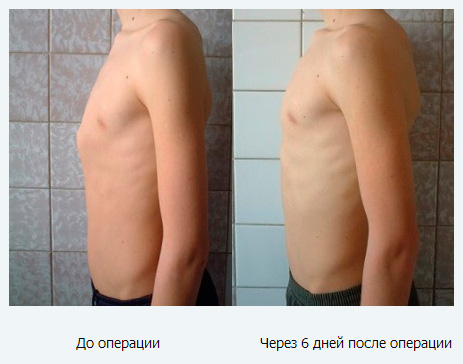
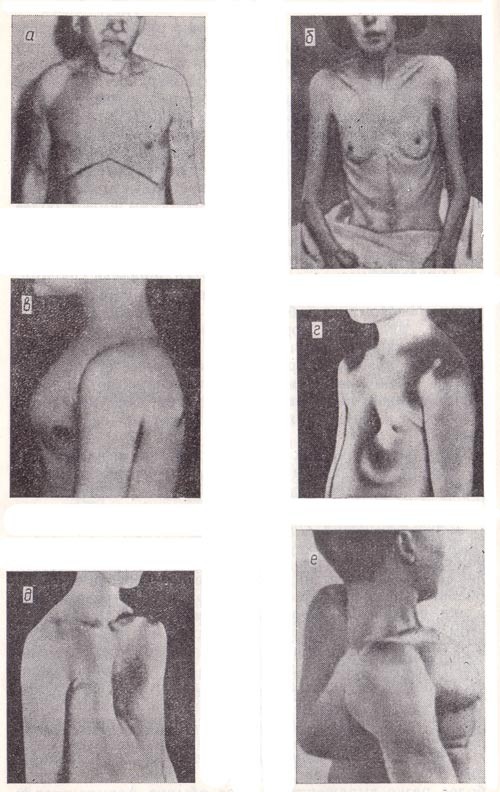
Two further shapes are described from auscultation and percussion practice, and are covered by findings rather than photographs here: the paralytic chest (resembles the asthenic build, seen in severe wasting and chronic pulmonary tuberculosis) and the emphysematous / barrel chest (resembles the hypersthenic build, seen in pulmonary emphysema). Yana ikkita shakl auskultatsiya va perkussiya amaliyotidan tavsiflanadi va bu yerda fotosuratsiz, faqat topilmalar bilan berilgan: paralitik ko'krak qafasi (astenik tuzilishga o'xshaydi, kuchli ozganlarda va surunkali o'pka silida uchraydi) va emfizematoz (bochkasimon) ko'krak qafasi (gipersтenik tuzilishga o'xshaydi, o'pka emfizemasida uchraydi).
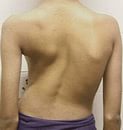
7.2 Spinal curvature7.2 Umurtqa pog'onasi egriligi
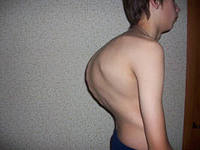
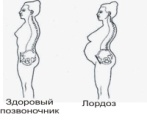
7.3 Facies — diagnostic facial appearances7.3 Yuz ko'rinishlari — diagnostik ahamiyati
The face alone can carry strong diagnostic clues; missing them at inspection means missing a fast, free diagnostic clue.Yolg'iz yuzning o'zi kuchli diagnostik izohlarni beradi; ko'rikda ularni o'tkazib yuborish tezkor va bepul diagnostik ma'lumotni yo'qotish demakdir.
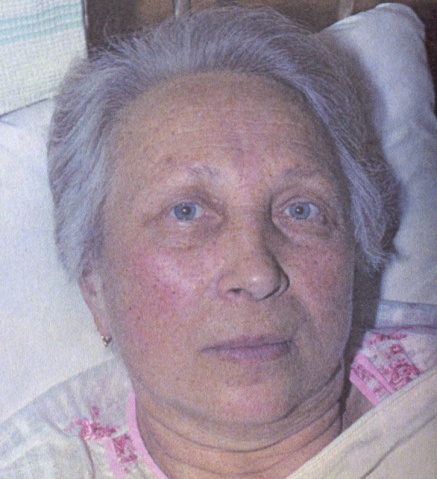
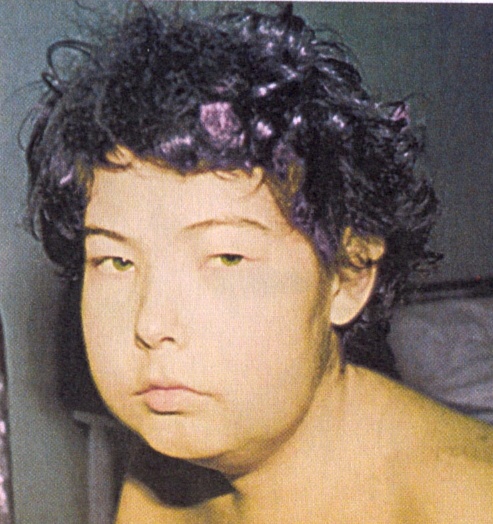
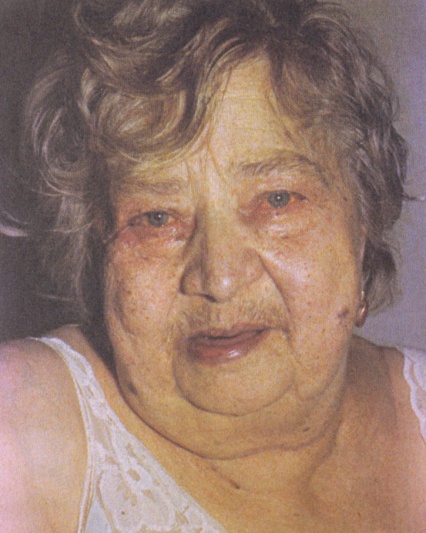
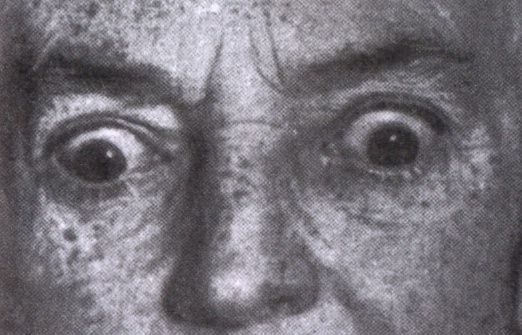
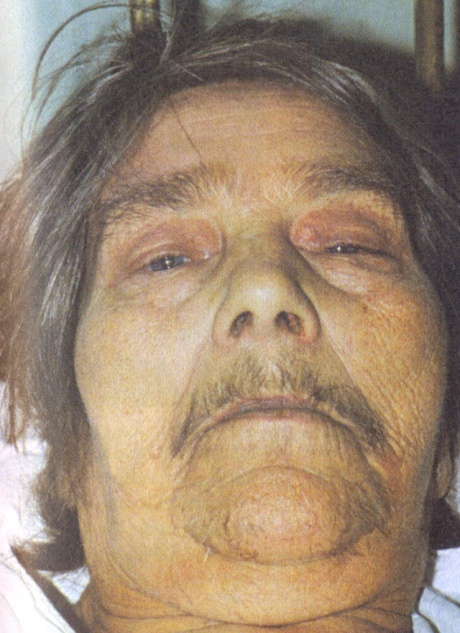
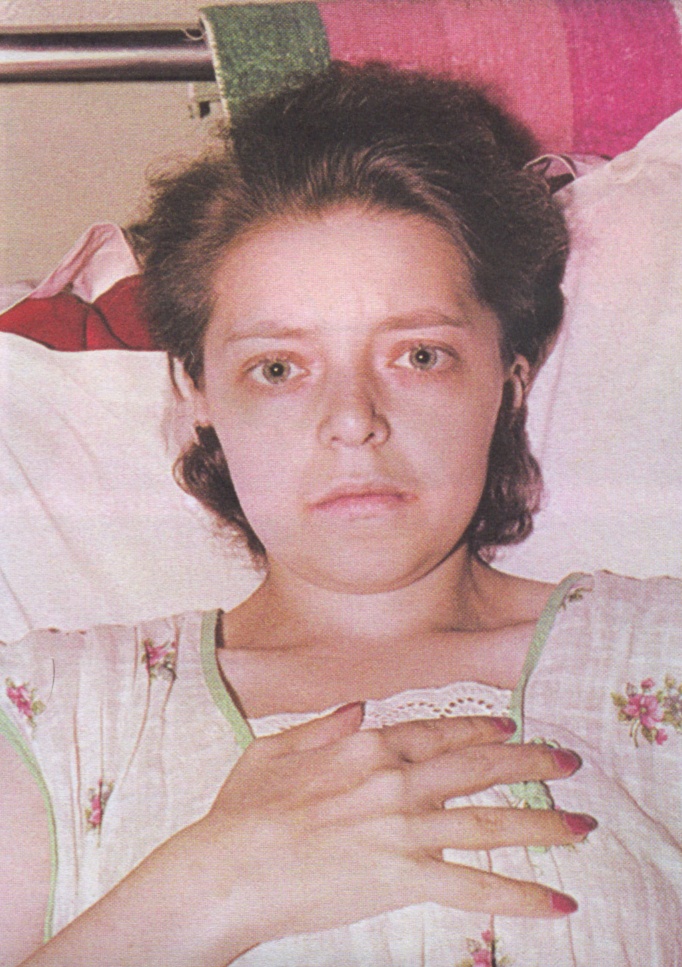
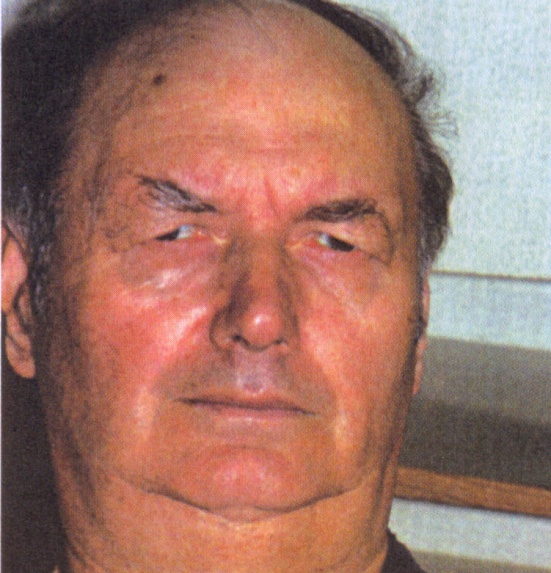
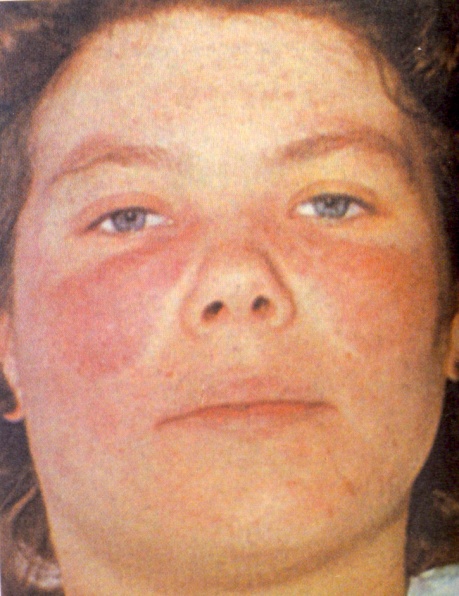
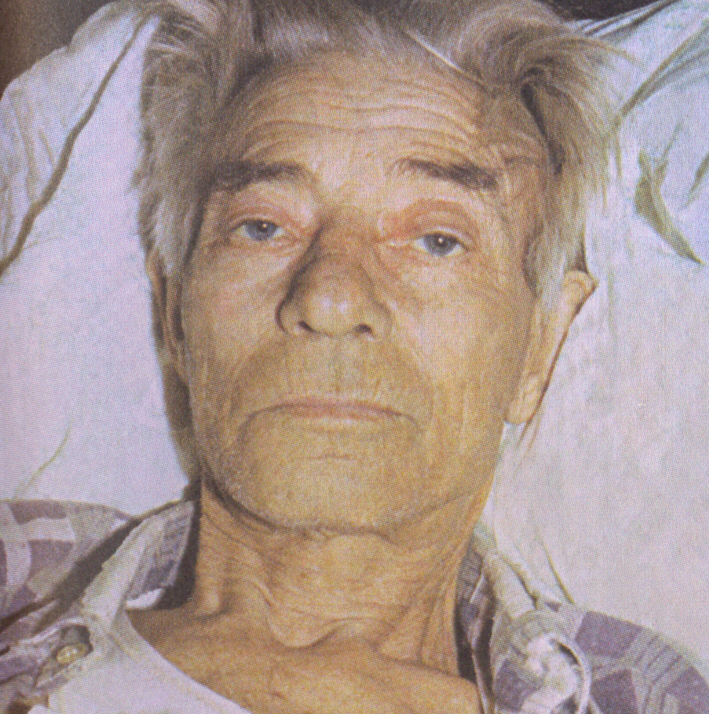
Inspection continues regionally down the body: the head (hydrocephalus, microcephaly), eyes and eyelids (edema, xanthelasma, narrowed palpebral fissure, exophthalmos, pupil size), nose and mouth (acromegalic enlargement, saddle nose of syphilis, tongue changes such as glossitis), and the neck (thyroid enlargement, jugular venous pulsation and distension, lymph nodes, scars). Two named neck signs worth remembering: Stokes' collar — swelling around the neck and face from obstruction of the superior vena cava, and jugular vein distension seen in right heart failure. Ko'rik tananing pastki qismlariga davom etadi: bosh (gidrotsefaliya, mikrotsefaliya), ko'z va qovoqlar (shish, ksantelazma, ko'z tirqishining torayishi, ekzoftalm, qorachiq kattaligi), burun va og'iz (akromegalik kattalashish, zahm kasalligidagi egarsimon burun, glossit kabi til o'zgarishlari) va bo'yin (qalqonsimon bez kattalashishi, bo'yinturuq venasi pulsatsiyasi va bo'rtishi, limfa tugunlari, chandiqlar). Eslab qolish kerak bo'lgan ikkita nomli bo'yin belgisi: yuqori kovak vena tiqilishidan bo'yin va yuz atrofidagi shish — Stoks yoqasi, va o'ng qorincha yetishmovchiligida kuzatiladigan bo'yinturuq venasi bo'rtishi.
Anthropometry and Body Mass IndexAntropometriya va tana vazni indeksi
Anthropometry (Greek anthropos — human, metron — measure) is examination based on measuring a person's morphological and functional characteristics. In routine clinical practice, measuring height and weight — clinical anthropometry — is usually sufficient. Antropometriya (yunon. anthropos — inson, metron — o'lchov) — insonning morfologik va funksional belgilarini o'lchashga asoslangan tekshiruv. Kundalik klinik amaliyotda bo'y va vaznni o'lchash — klinik antropometriya — odatda yetarli hisoblanadi.
BMI = weight (kg) / height² (m²)Worked example: a person weighing 75 kg with a height of 1.7 m has BMI = 75 / (1.7)² = 75 / 2.89 = 25.9. Misol: vazni 75 kg, bo'yi 1,7 m bo'lgan shaxsning TVI = 75 / (1,7)² = 75 / 2,89 = 25,9.
The resulting number is used to judge whether the patient is underweight, of normal weight, overweight, or obese — a simple, reproducible screening tool taken at every clinical visit. Olingan raqam bemorning vazni yetishmasligi, me'yorda, ortiqcha yoki semizligini baholash uchun ishlatiladi — bu har bir klinik tashrifda olinadigan sodda, takrorlanuvchi skrining vositasidir.
Fever and Fever Curve TypesIsitma va isitma egri chiziqi turlari
Body temperature, recorded over days, traces a curve whose shape narrows the differential diagnosis. By the degree of temperature rise, five grades are distinguished: Bir necha kun davomida qayd etilgan tana harorati diagnostikani toraytiruvchi egri chiziq hosil qiladi. Haroratning ko'tarilish darajasiga ko'ra beshta daraja ajratiladi:
| GradeDaraja | RangeDiapazon |
|---|---|
| 1 — Subfebrile1 — Subfebril | 37–38 °C |
| 2 — Moderate2 — O'rtacha | 38–39 °C |
| 3 — High3 — Yuqori | 39–40 °C |
| 4 — Very high4 — O'ta yuqori | >40 °C |
| 5 — Hyperpyretic5 — Giperpiretik | >41–42 °C |
Charting temperature twice daily over the course of an illness produces a temperature curve — its pattern (continuous, remittent, intermittent, hectic, etc.) is itself a diagnostic sign and will be studied in depth in the semiotics of infectious and inflammatory disease. Kasallik davomida haroratni kuniga ikki marta qayd etish harorat egri chizig'ini hosil qiladi — uning shakli (doimiy, remittent, intermitting, gektik va h.k.) o'zi diagnostik belgi hisoblanadi va infeksion hamda yallig'lanish kasalliklari semiotikasida chuqurroq o'rganiladi.
Palpation: Lymph Node ExaminationPalpatsiya: limfa tugunlarini tekshirish
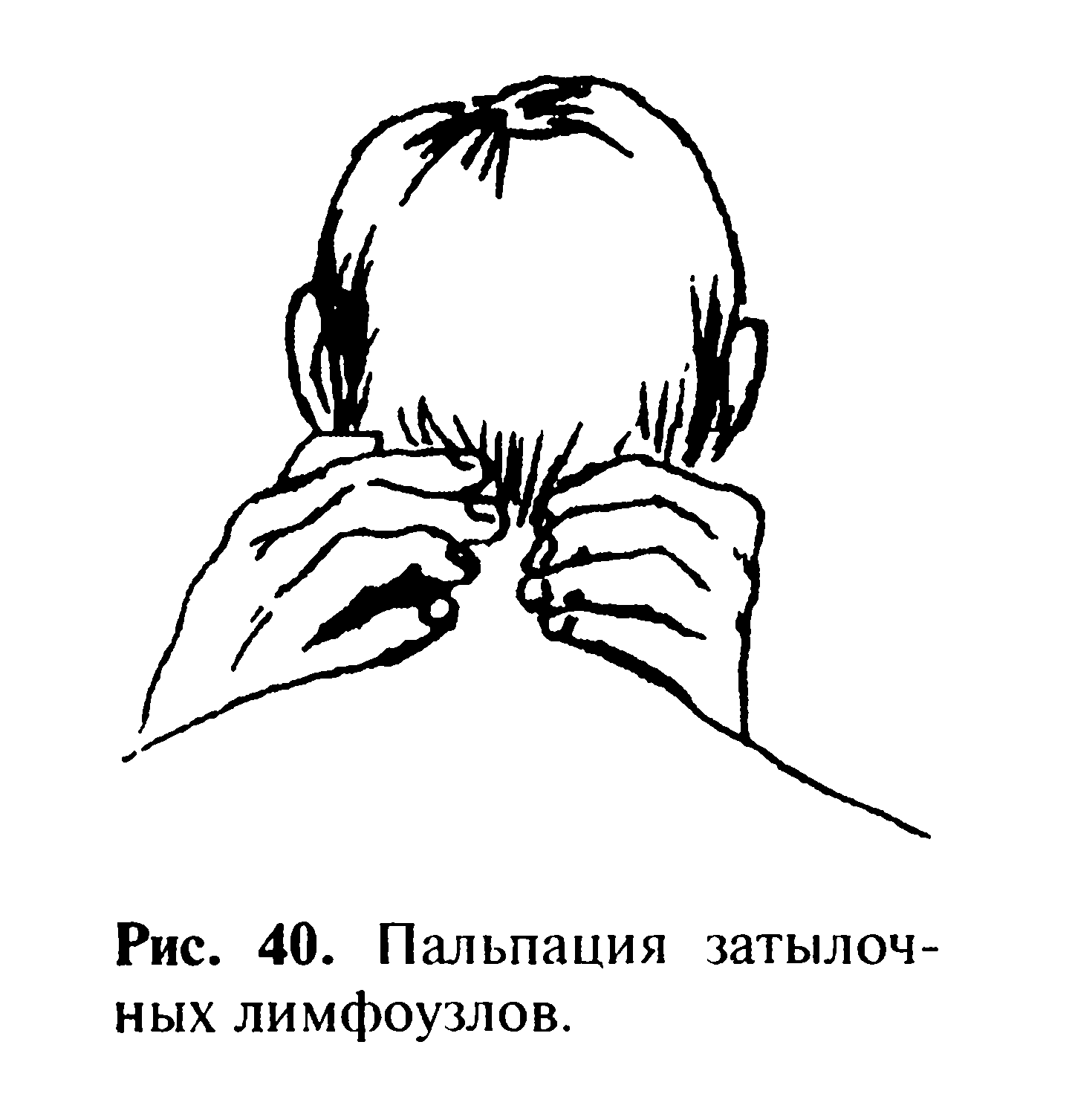
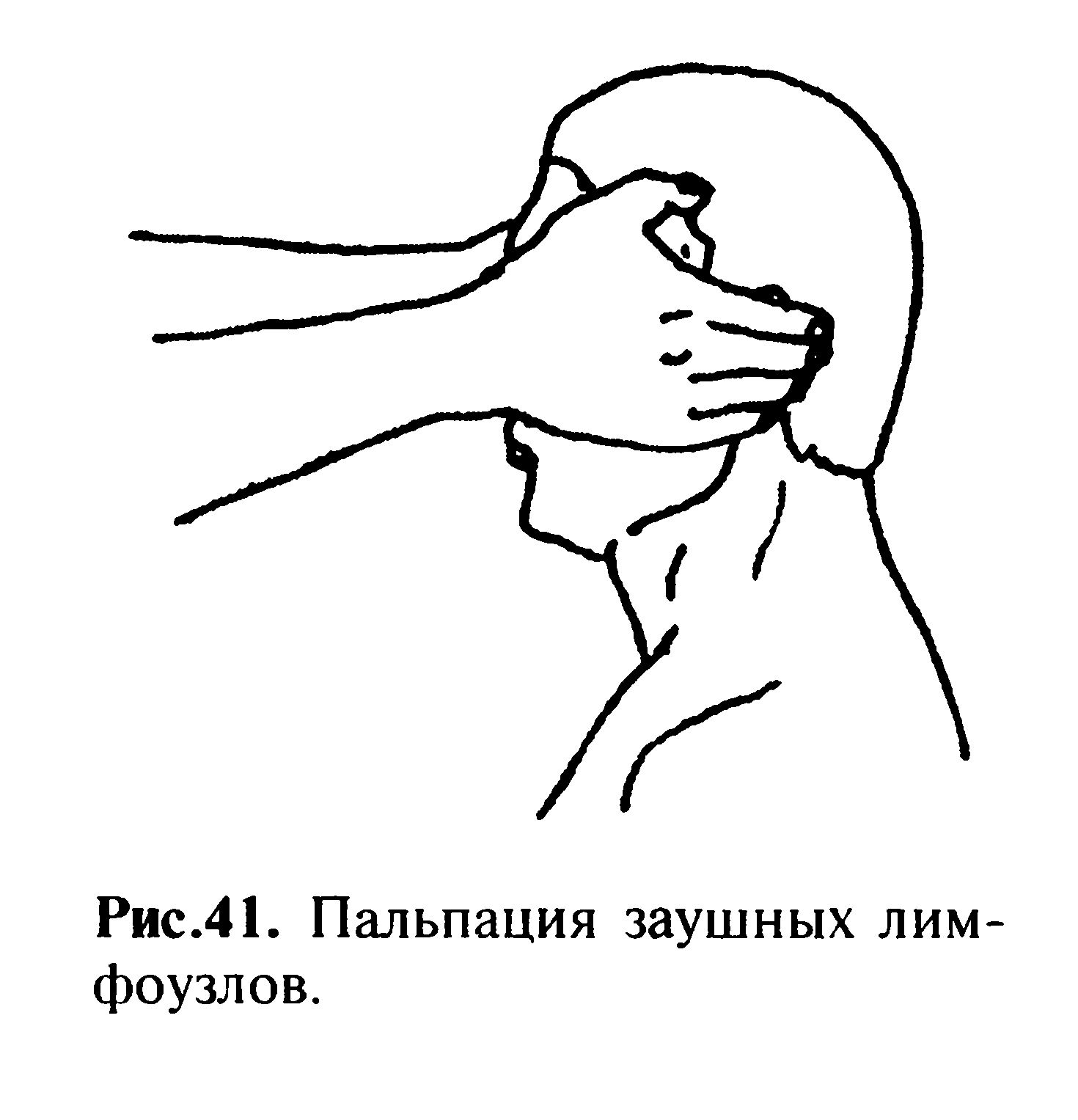
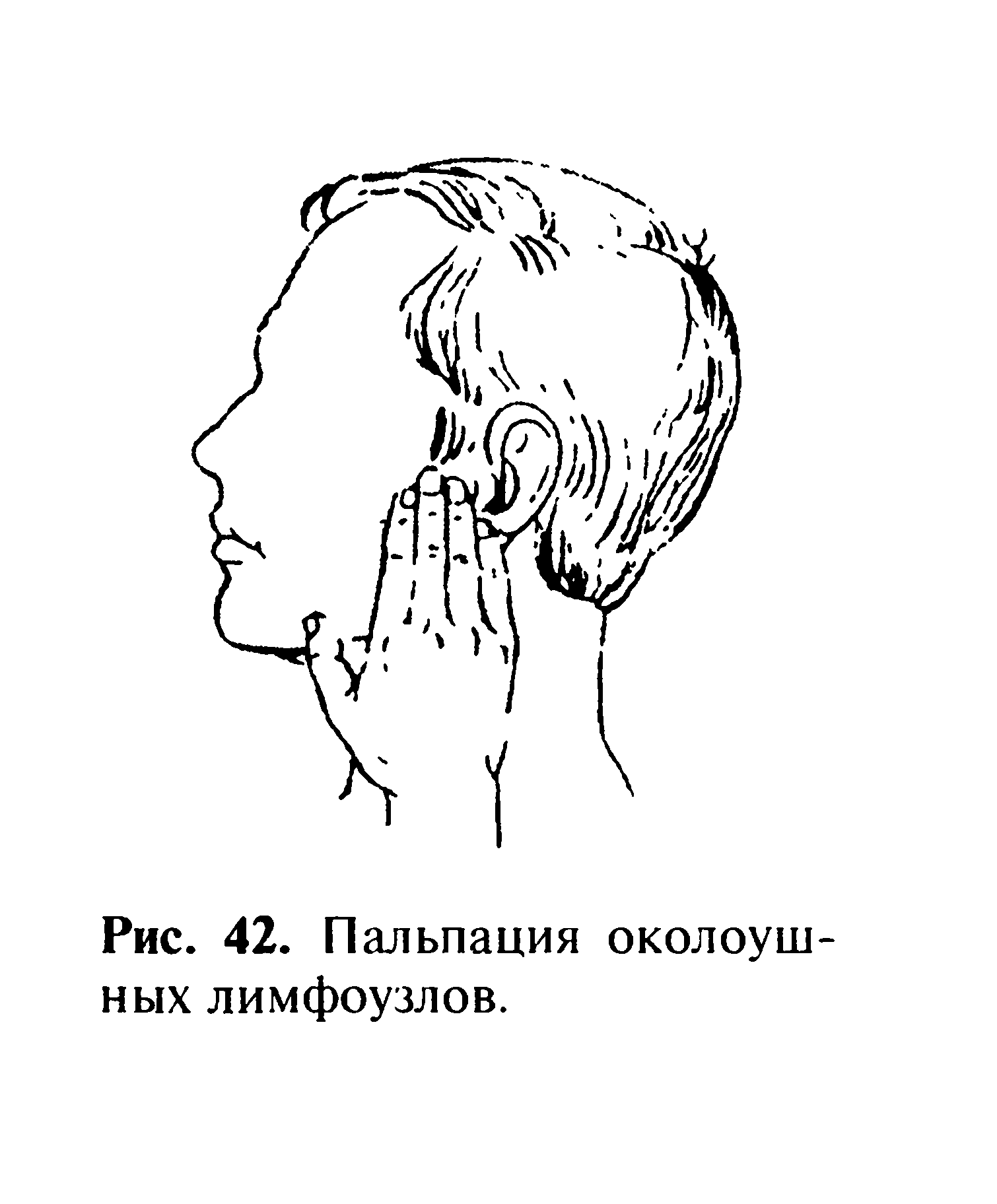
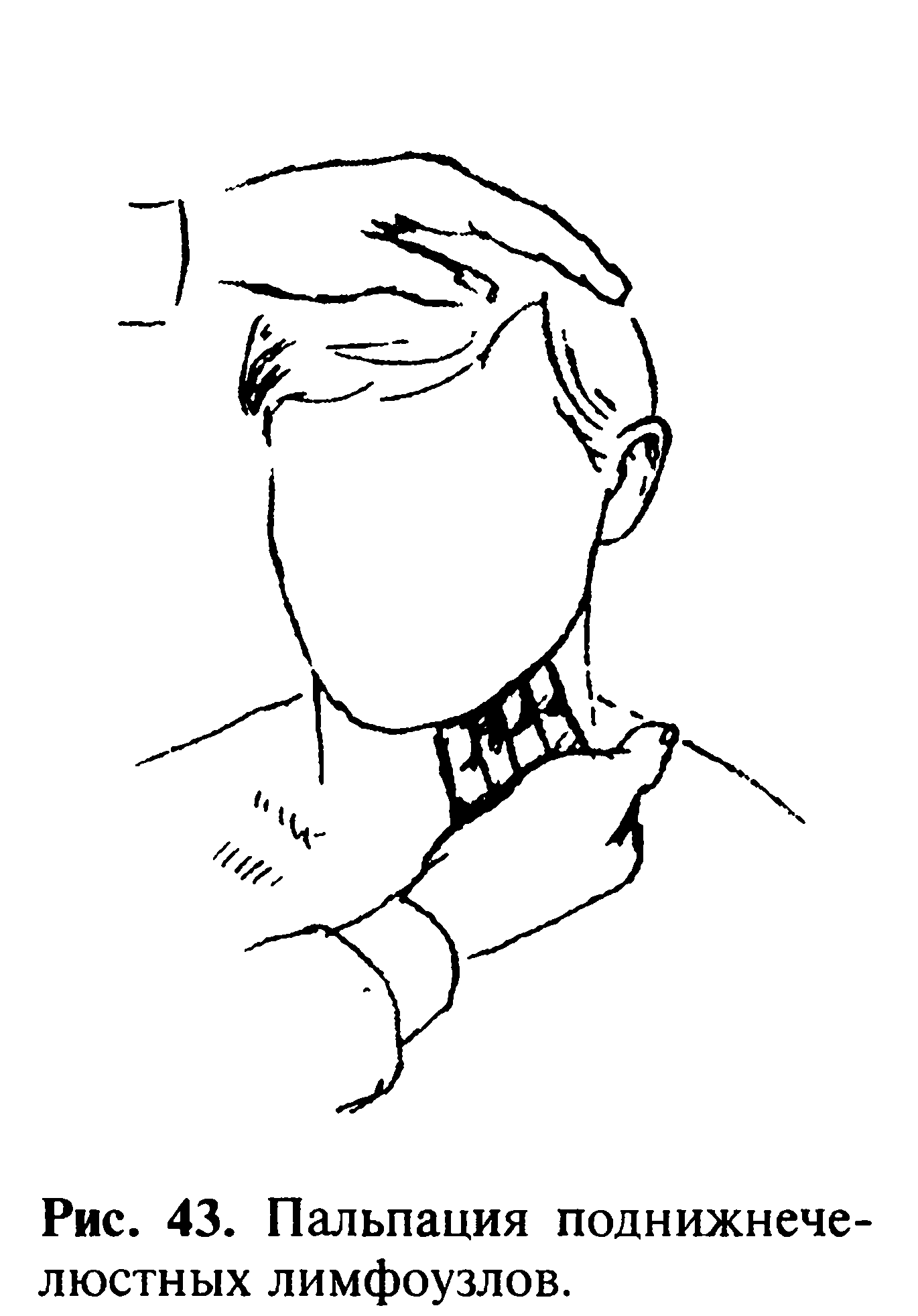
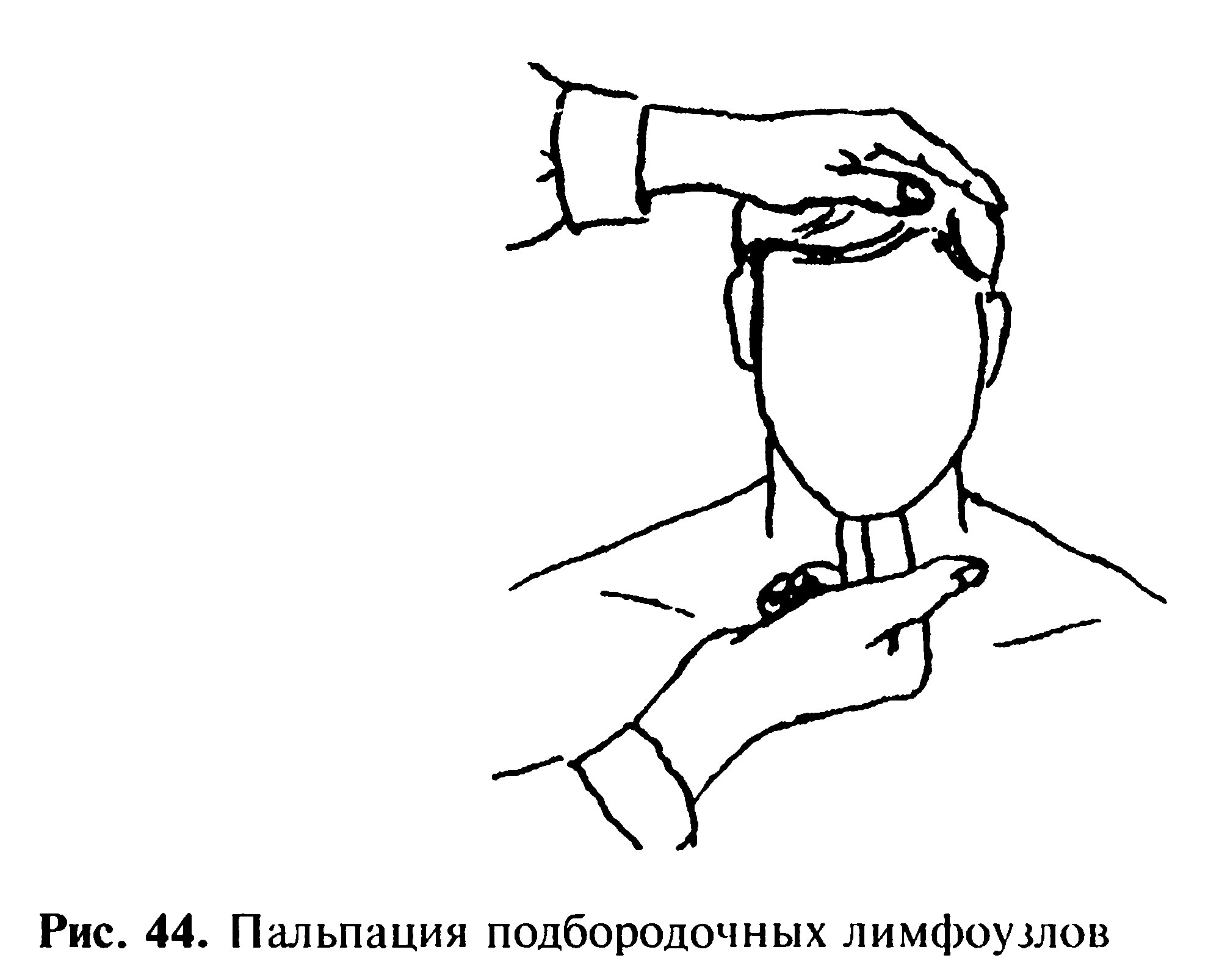
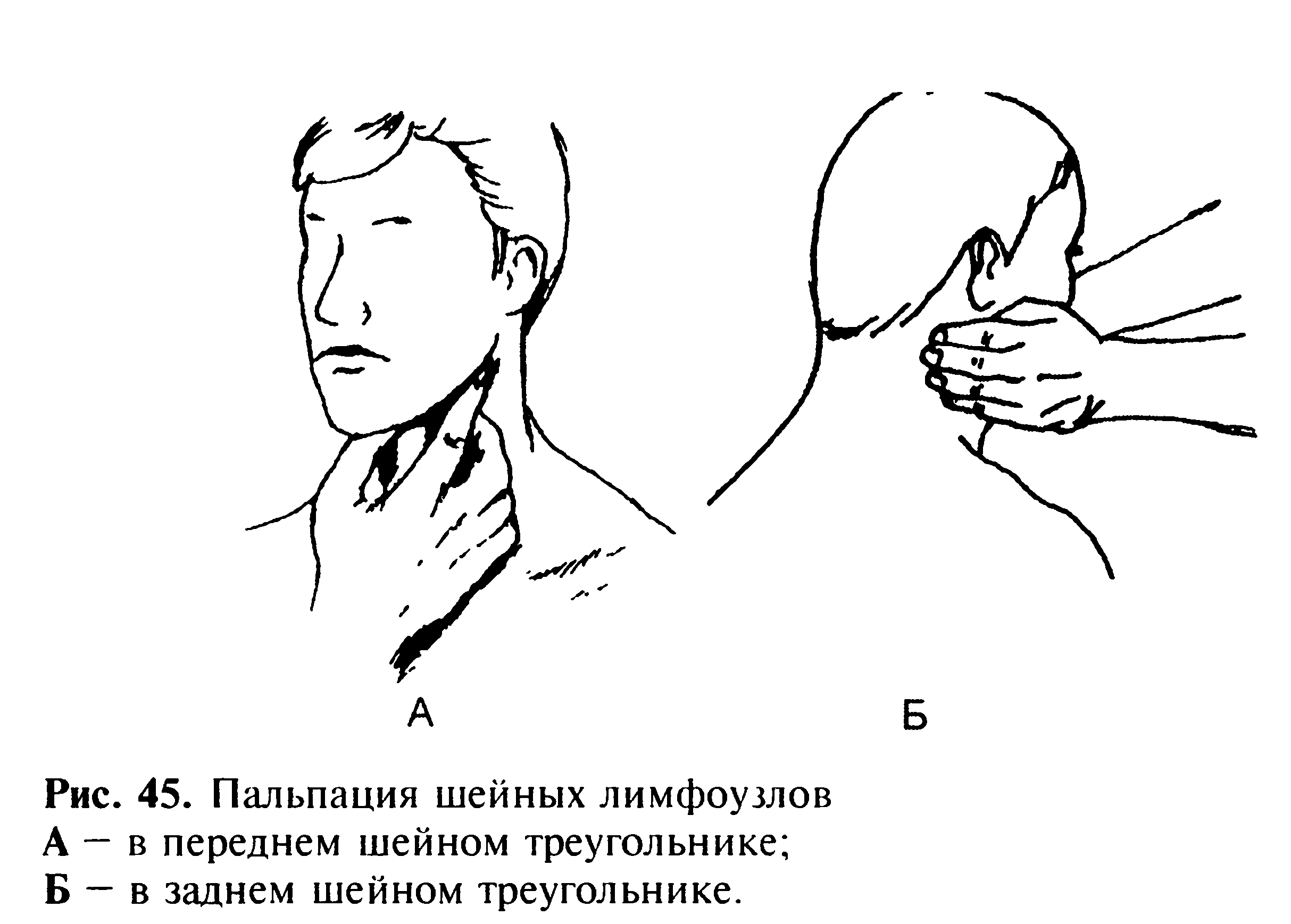
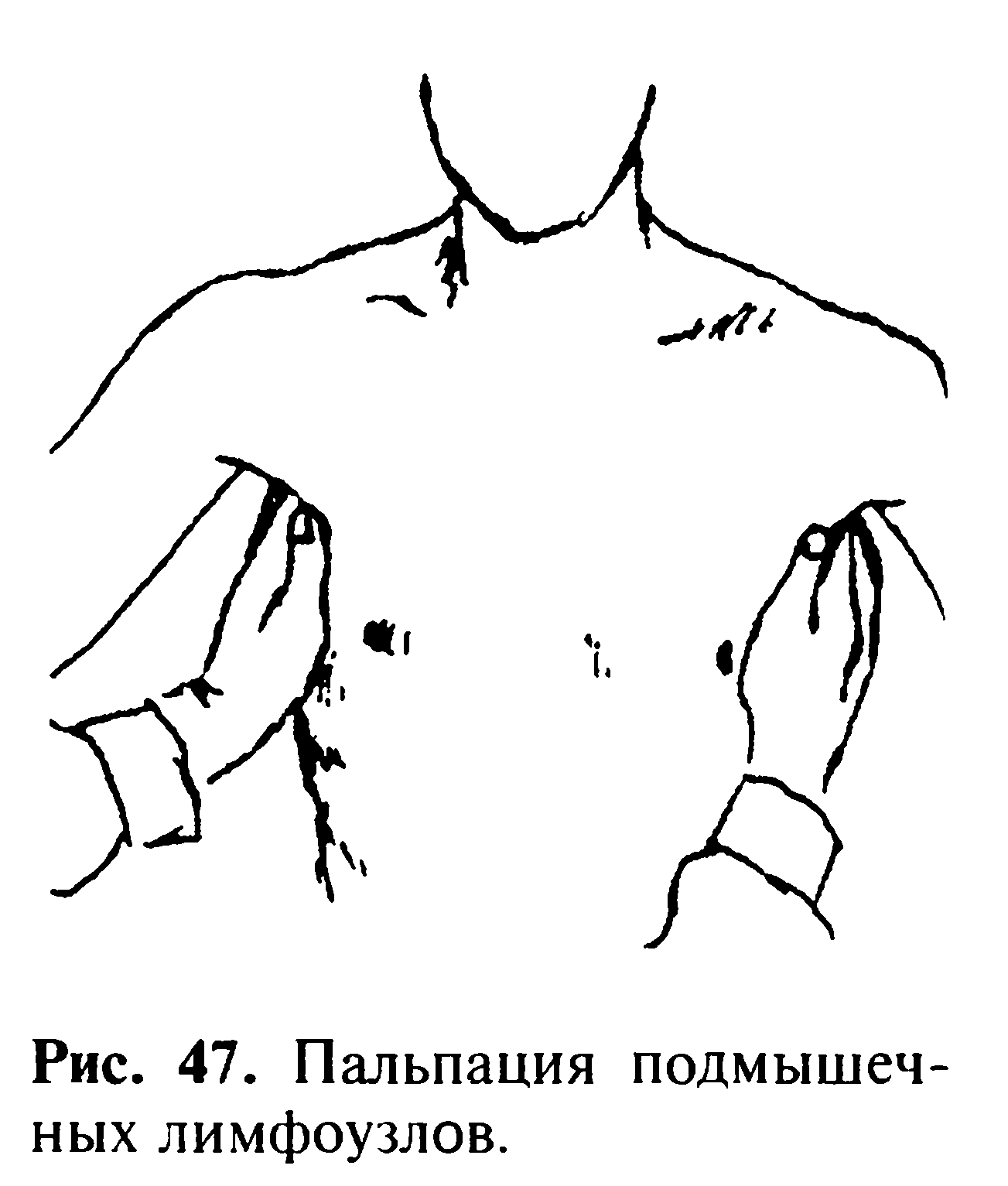
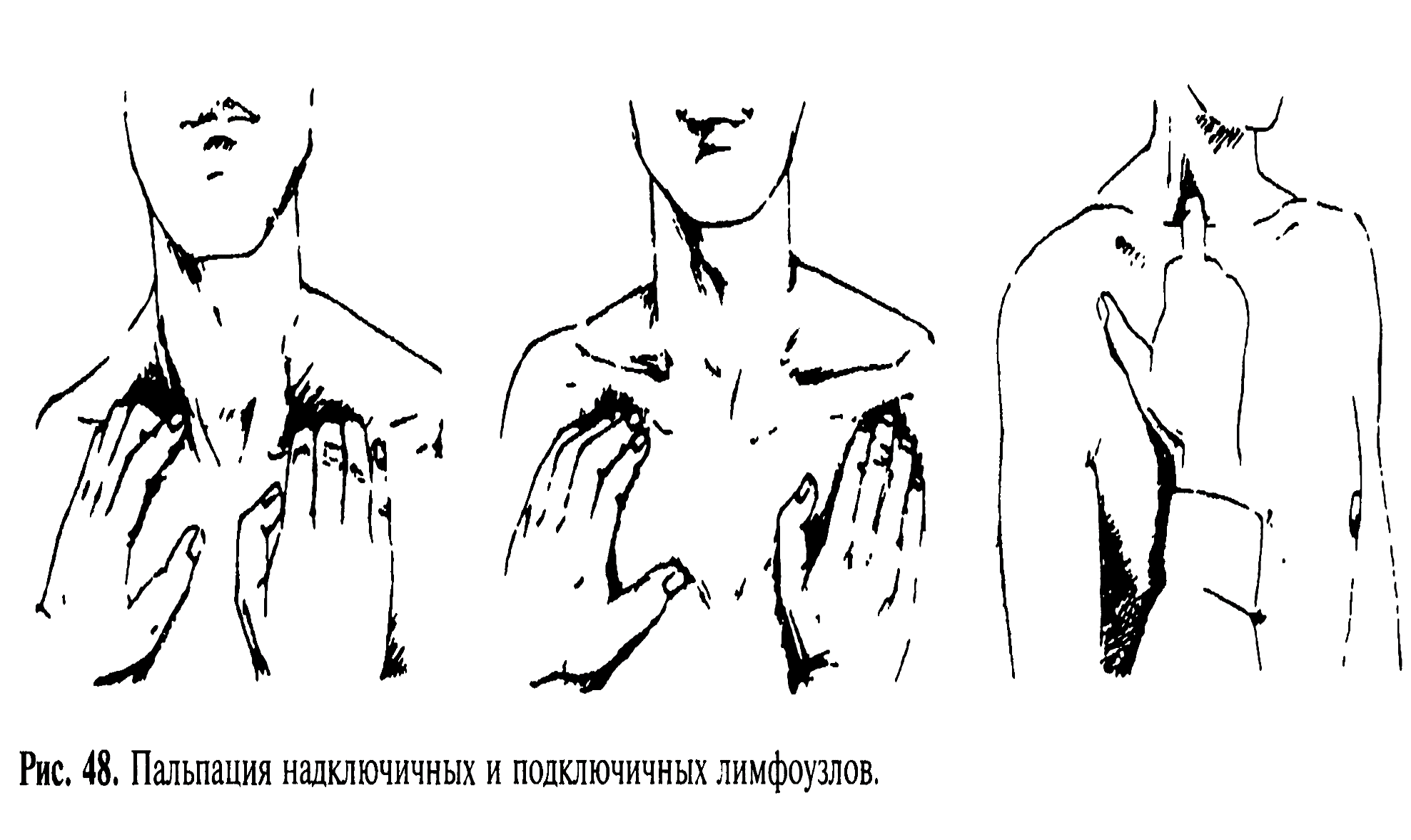
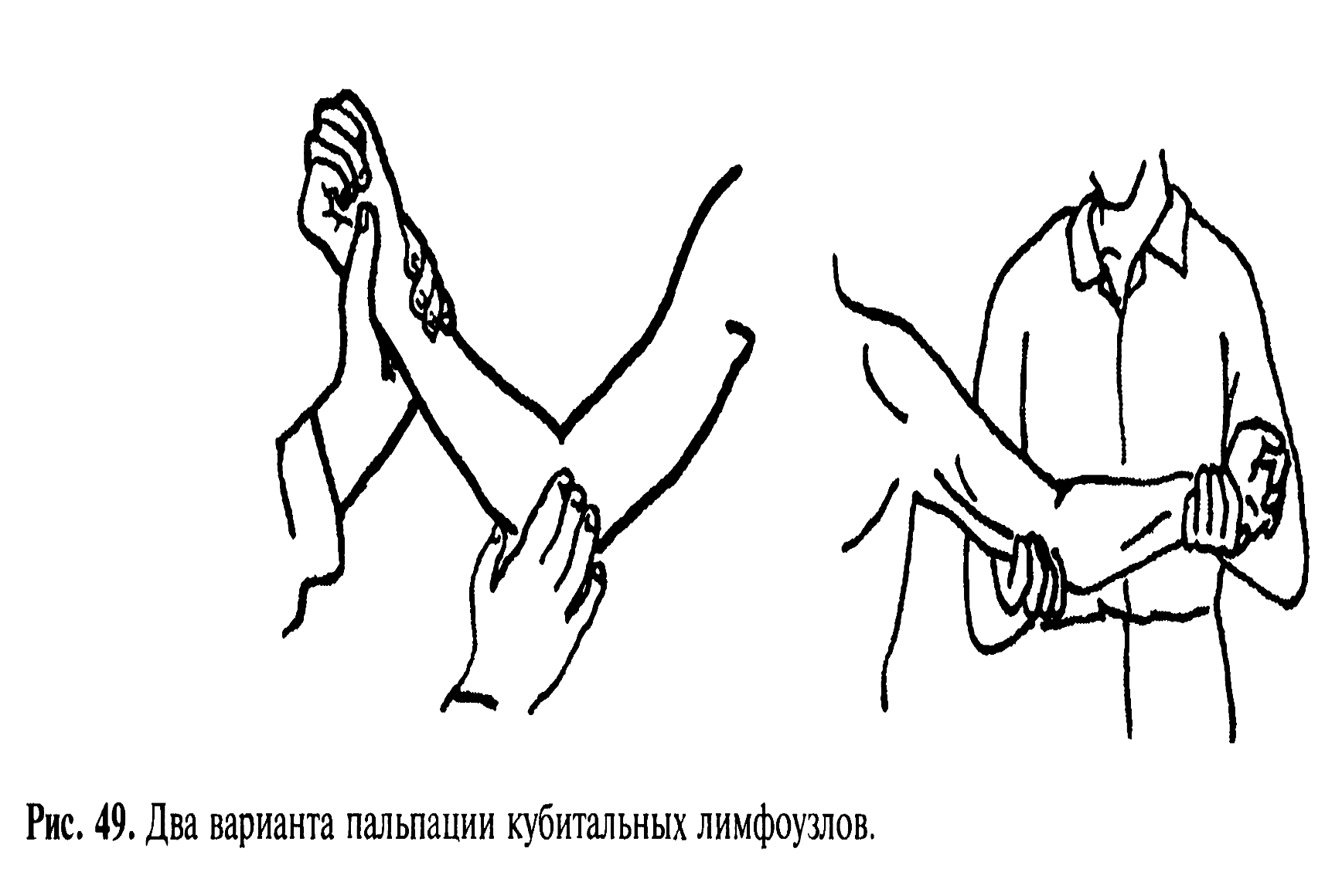
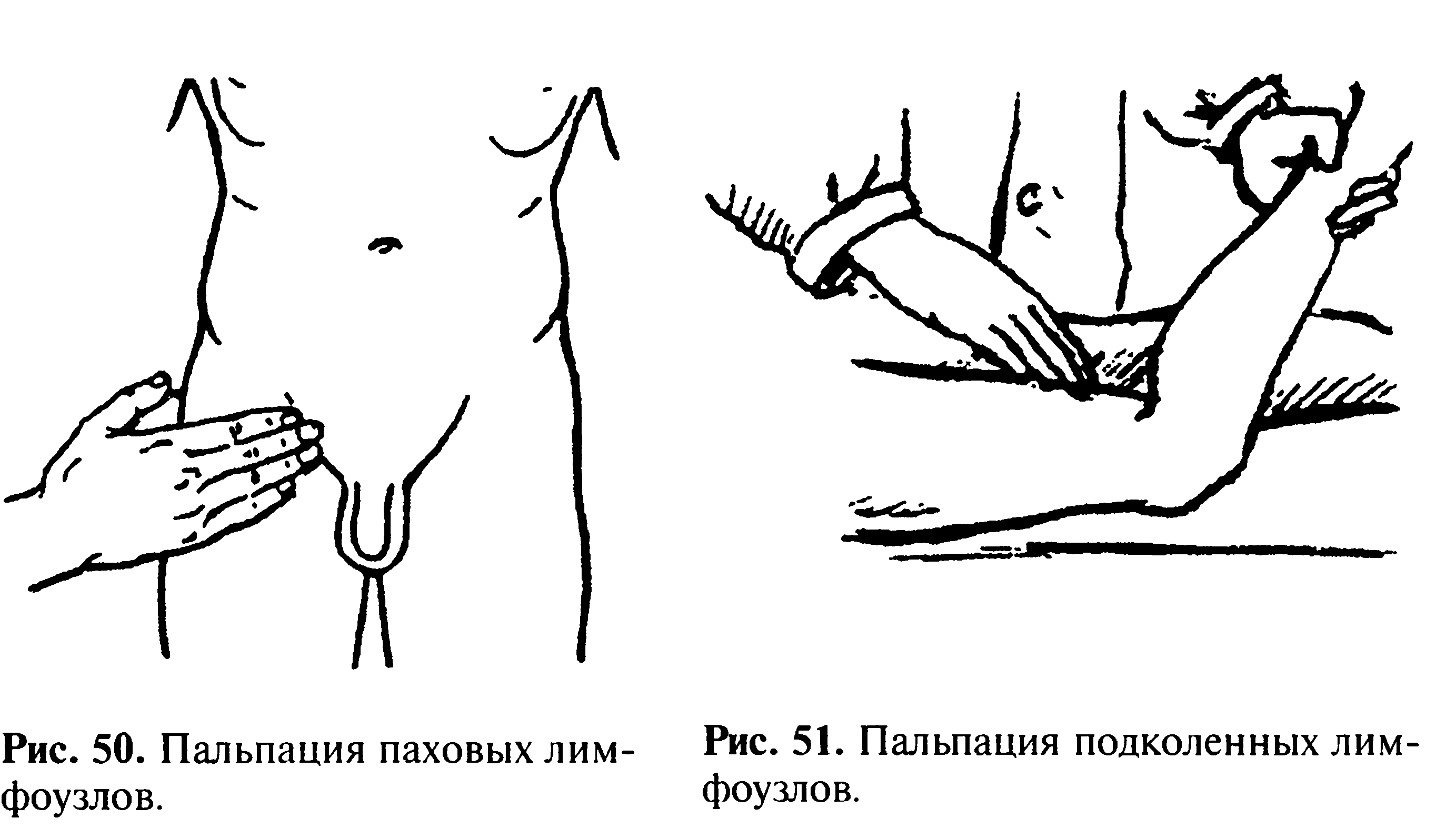
Palpation (from Latin palpare — to touch) is examination by feeling with the hands. Palpation of the peripheral lymph nodes is a standard part of every general exam and is done in a fixed order, region by region, always comparing left and right sides. For every group of palpable nodes, eight characteristics are recorded: Palpatsiya (lot. palpare — paypaslash) — qo'l bilan sezish orqali tekshirish. Periferik limfa tugunlarini palpatsiya qilish har bir umumiy ko'rikning standart qismi bo'lib, qat'iy tartibda, soha-sohalab, doimo chap va o'ng tomonlarni solishtirgan holda o'tkaziladi. Har bir palpatsiya qilinadigan tugunlar guruhi uchun sakkizta xususiyat qayd etiladi:
SizeKattaligi
ShapeShakli
ConsistencyKonsistensiyasi
Surface characterYuza xarakteri
MobilityHarakatchanligi
Adherence to skinTeriga yopishganligi
FluctuationFlyuktuatsiya
Local temperature & painMahalliy harorat va og'riq
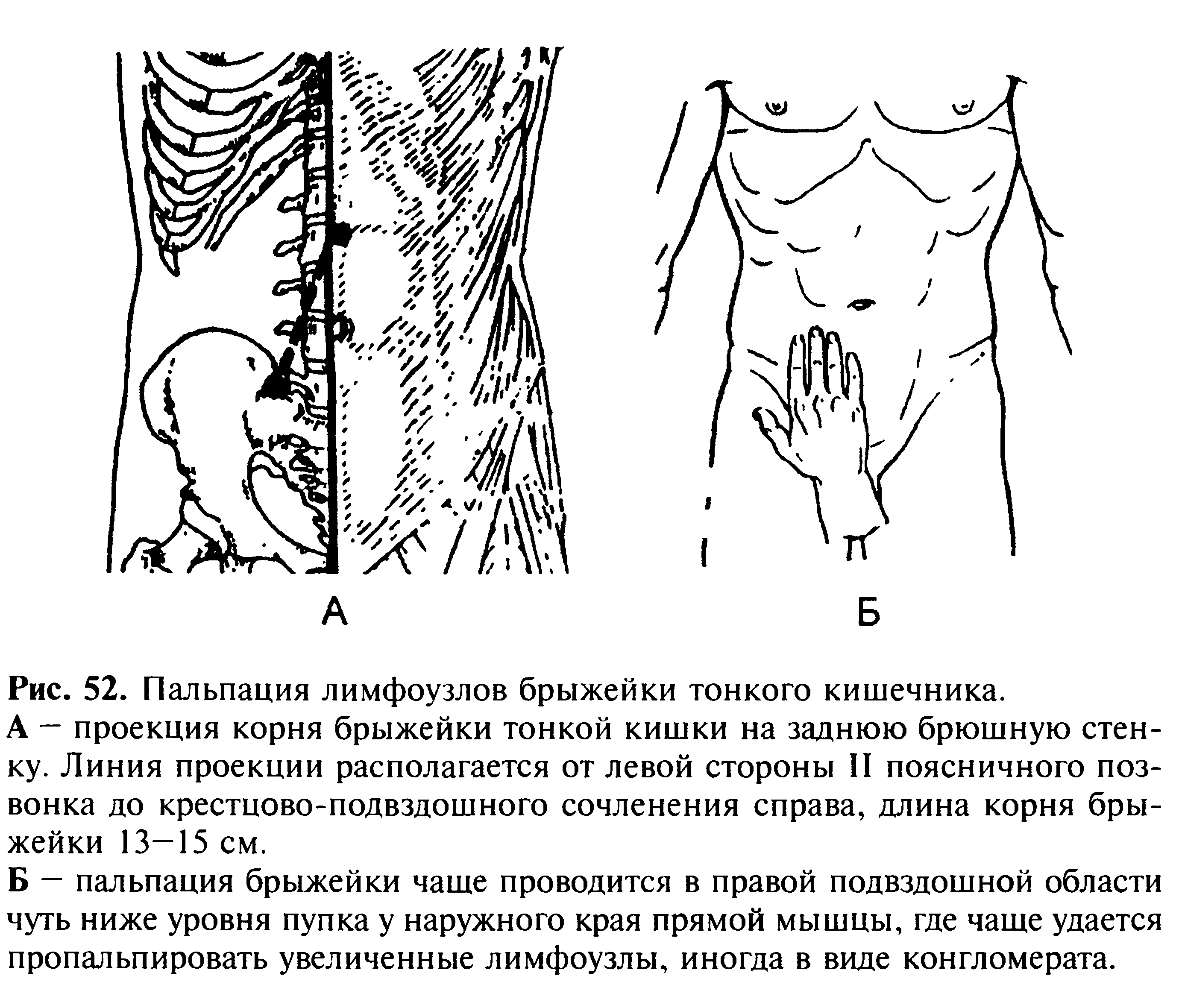
The palpation order covers, in sequence: occipital, postauricular, preauricular, submandibular, submental, cervical, supra- and infraclavicular, axillary, cubital (elbow), inguinal, popliteal, and — on deep abdominal palpation — mesenteric lymph nodes. Palpatsiya tartibi izchil ravishda quyidagilarni o'z ichiga oladi: ensa, quloq orqasi, quloq oldi, jag' osti, engak osti, bo'yin, o'mrov usti va osti, qo'ltiq osti, kubital (tirsak), chov, tizza orqasi va — chuqur qorin palpatsiyasida — ichak tutqichi limfa tugunlari.
Percussion and AuscultationPerkussiya va auskultatsiya
These two methods complete the four classic techniques of physical examination — inspection, palpation, percussion, auscultation — each week's topic from here on will apply them to a specific organ system in depth. Bu ikki usul fizikal tekshiruvning to'rtta klassik uslubini yakunlaydi — ko'rik, palpatsiya, perkussiya, auskultatsiya — bundan keyingi har bir haftalik mavzu ularni muayyan a'zolar tizimiga chuqurroq qo'llaydi.
PercussionPerkussiya
Tapping the body surface (usually finger-on-finger) and interpreting the resulting sound. A resonant sound implies air-filled tissue (normal lung); a dull sound implies fluid or solid tissue (consolidation, effusion, an enlarged organ). Used to map the borders of the heart, lungs, and liver. Tana yuzasini (odatda barmoq ustiga barmoq bilan) taqillatib, hosil bo'lgan tovushni talqin qilish. Jarangdor tovush havo bilan to'la to'qimani (normal o'pka) bildiradi; bo'g'iq tovush suyuqlik yoki zich to'qimani (zichlanish, plevrit suyuqligi, kattalashgan a'zo) bildiradi. Yurak, o'pka va jigar chegaralarini aniqlash uchun ishlatiladi.
AuscultationAuskultatsiya
Listening to the sounds produced inside the body, directly or with a stethoscope. Used to assess heart sounds and murmurs, breath sounds and adventitious lung sounds (crackles, wheezes), and bowel sounds — the field founded by Laennec in 1816 and still central to the exam today. Tana ichida hosil bo'lgan tovushlarni to'g'ridan-to'g'ri yoki stetoskop yordamida eshitish. Yurak tonlari va shovqinlarini, nafas tovushlari va patologik o'pka tovushlarini (xirillash, vizing), hamda ichak tovushlarini baholash uchun ishlatiladi — 1816 yilda Laennek asos solgan va bugun ham tekshiruvning markazida turadigan soha.
Self-CheckO'z-o'zini tekshirish
Tap a question to reveal the answer, then grade yourself.Javobni ko'rish uchun savolga bosing, so'ng o'zingizni baholang.